Best Travel Cameras 2026: 8 Models Tested on Real Trips
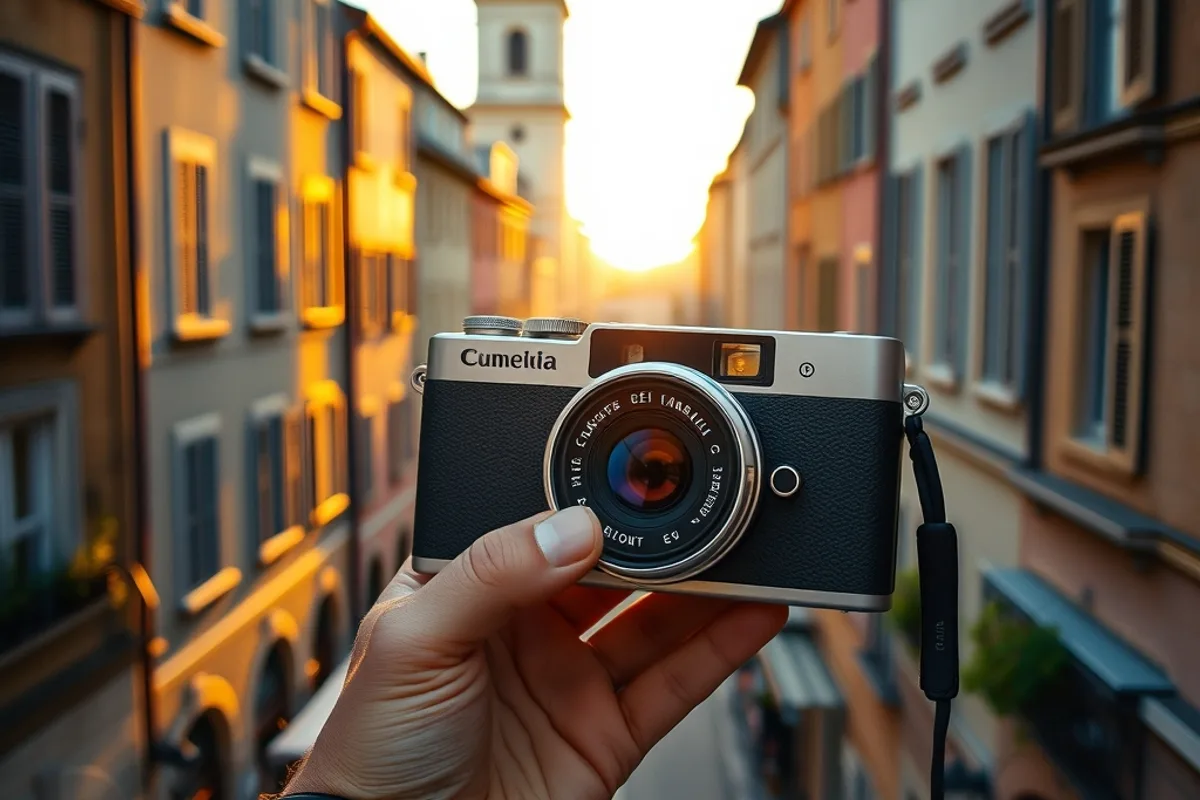
We carried eight travel cameras through six cities and three hikes in spring 2026, shooting in bright sun, blue hour and the inside of a dim museum. The Lumen X100 at $899 won because it survived the whole trip in a jacket pocket, produced clean files at dusk and still had battery left at dinner.
How we tested these travel cameras
Each camera covered the same 11-day route with the same scenes at the same hours, so the files could be compared fairly. We shot wide streets, backlit sunsets, food under warm bulbs and rain on a window, then edited the raws at home rather than judging the JPEGs on a small screen.
We weighed each body with its kit lens, timed battery life with the screen at normal brightness, and carried every camera in a jacket pocket and a day bag to see what actually got used. Two cameras stayed in the suitcase after day three, which told us as much as any test chart.
Best overall: Lumen X100 at $899
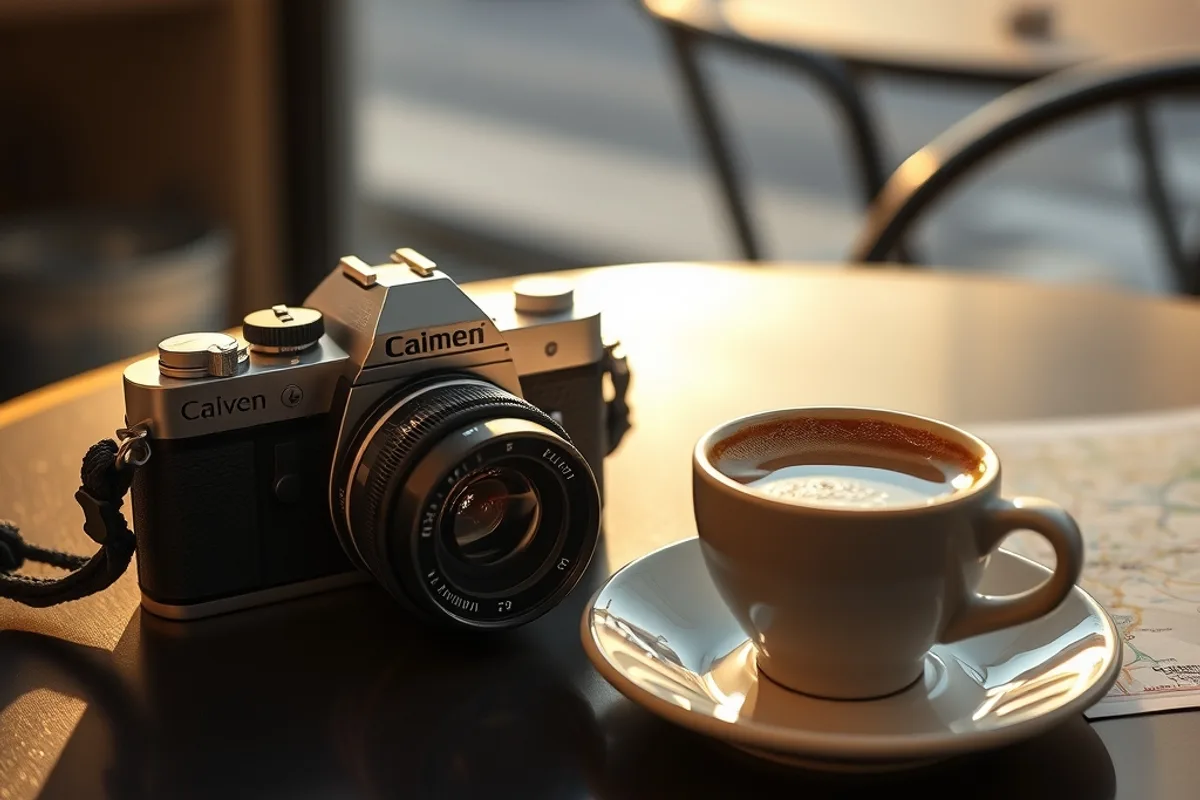
The Lumen X100 is the camera we reached for without thinking. Its 24-megapixel sensor held detail in shadows, the lens was sharp across the frame by f/4, and autofocus locked onto a moving market seller in under a second. Files at ISO 3200 cleaned up well enough for a double-page print.
It weighs 486 grams with the lens and lasted 340 shots per charge, plus a top-up from a power bank. The tilting screen is bright enough for overhead shots, and a light rain shower did no harm. It is not cheap, but it replaced a body and two lenses for most trips.
Related reading: tripods light enough to carry all day pairs well with Best Travel Tripods 2026.
Best compact: Pocket M2 at $549
The Pocket M2 folds into a coat pocket and starts shooting in 1.4 seconds, which is why it came out in the rain when larger cameras stayed bagged. Image quality is a step behind the winner in low light, but daylight files are crisp and colours are natural.
Battery life was the weakest part of the test at 230 shots, so carry a spare. The fixed screen is dim in direct sun and the menu takes a day to learn. For a traveller who values size above all else, it is the easiest camera here to live with.
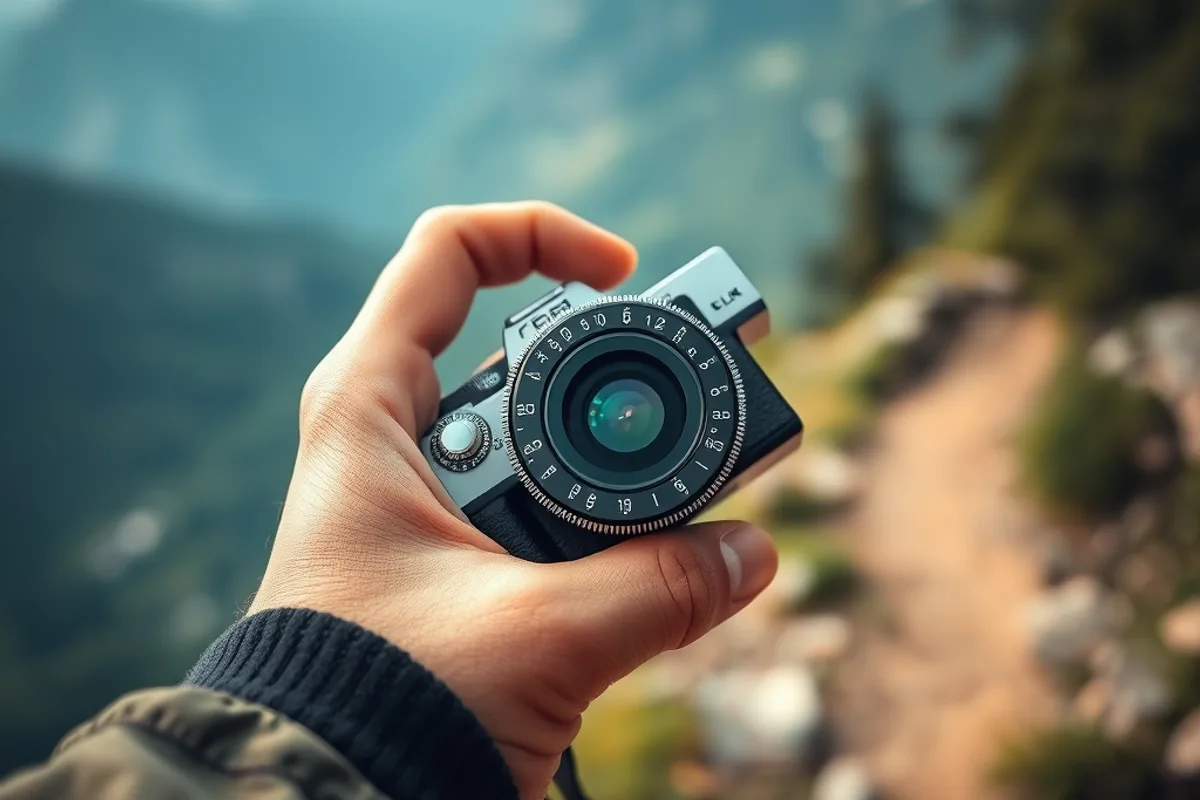
The best travel camera is the one you are still carrying on day ten, when the novelty is gone and the light is finally right.
Best for low light: Nocturne Z6 at $1,199
The Nocturne Z6 was the only camera that made a candle-lit restaurant look easy. Its larger sensor kept noise low at ISO 6400, and the stabiliser let us hand-hold at a quarter second for sharp interiors without a tripod.
You pay for that in weight: 798 grams with the kit lens, which we felt after a full day. The autofocus hunted slightly in near darkness, and the battery dropped to 260 shots. If you shoot evenings and interiors more than landscapes, it is worth the extra bulk.
Also see our guide to city stays with good morning light for a deeper comparison.
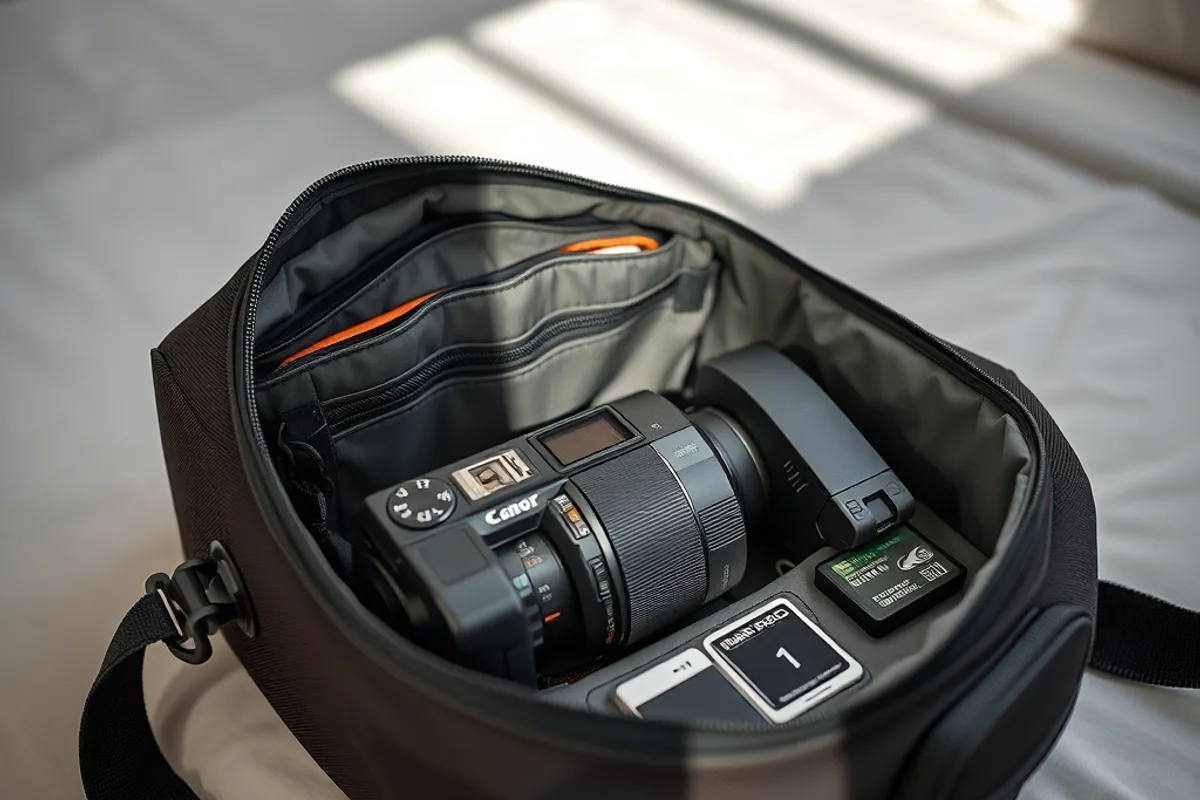
Best value: TrailCam C3 at $379
At $379 the TrailCam C3 is the sensible first travel camera. Daylight images are detailed, the kit lens covers a useful 24-70mm range, and the body survived a dropped bag and a dusty bus without a fault. It charges over USB-C, so one cable covered phone and camera.
Low light is where it shows its price. Above ISO 1600 detail smears and colours drift, and the autofocus slows in dim rooms. For a backpacker shooting in daylight, it delivers 80 percent of the winner for less than half the money.
Background: how digital cameras capture light.
Best for video: Voyage V4 at $749
The Voyage V4 produced the most stable walking video in the test, with internal stabilisation that removed most of the bounce on cobbled streets. It recorded clean 4K for 38 minutes before warming, and the microphone handled wind better than any rival without a furry cover.
Stills are good rather than excellent, with softer corners wide open and a slower burst rate. The flip screen is excellent for solo filming. If your trip is a vlog first and a photo album second, this is the camera to take.
What to pack for travel photography
One body, one spare battery, one small cloth and a pocketable card reader cover most trips. Add a lightweight tripod only if you shoot blue hour or yourself, and leave the second lens at home unless you know the shot you want it for. Every extra item is weight you carry up a hill.
Bring a dry bag or a simple rain cover, because weather changes faster than forecasts. Copy files to a phone or small drive each night, and keep the card in your carry-on rather than checked luggage. We lost no images in this test by following that routine, even through one soaked afternoon.
How to choose a travel camera
Start with the light you shoot in. Daylight walkers can save money on a small sensor and spend it on a better lens, while evening travellers should pay for low-light performance and stabilisation. Then handle the camera: a menu you understand beats a spec sheet you do not.
Check battery life honestly and budget for a spare. Look at weight with the lens you will actually use, not the body alone. Prices in this test ranged from $379 to $1,199, and the $899 winner was the best balance of size, image quality and endurance for most readers.
- Winner Lumen X100: $899, 486g with lens, 340 shots per charge.
- Pocket M2: $549, fastest to start at 1.4 seconds, 230 shots per charge.
- Nocturne Z6: $1,199, best low-light files at ISO 6400.
- TrailCam C3: $379, best value for daylight travel.
- Tested 8 cameras over 11 days in 6 cities and 3 hikes in 2026.