Travel Photography: Tested Picks 2026
Travel photography gear has to earn its space in a bag before it earns a place in a review. We carry every camera and tripod through airports, old towns and long hikes, then judge the files at home, not on the back of the screen. Weight, battery life and how the kit behaves in rain decide more than the spec sheet. Every pick below was bought at retail and measured in 2026, with prices, test scores and runner-up options.
How we test travel photography picks
Each travel photography pick goes through the same routine: unboxing checks, two weeks of daily use, and repeat measurements on three separate days. We log the numbers that matter for real buyers and ignore spec-sheet marketing. Results are rechecked before publishing so the 2026 prices and scores you see match what stores charge today.
How to choose the right travel photography pick
Start from the trip you actually take, then match the winner to your budget, your route and the people travelling with you. Our top picks suit most readers, while runner-up sections cover tight budgets, families and specialist needs. Read both Best Travel Cameras 2026 and Best Travel Tripods 2026 before deciding, since the trade-offs differ by trip.
When to buy travel photography picks
Travel cameras hold their price until a replacement model is announced, then fall by 10 to 15 percent within a month. Tripods discount around outdoor and holiday sales, while memory cards are cheapest in multi-packs. We tracked our picks through spring 2026 and saw the best value on outgoing camera bodies, not on brand-new launches. Background: how travel photography gear is used.
What our testers found in 2026
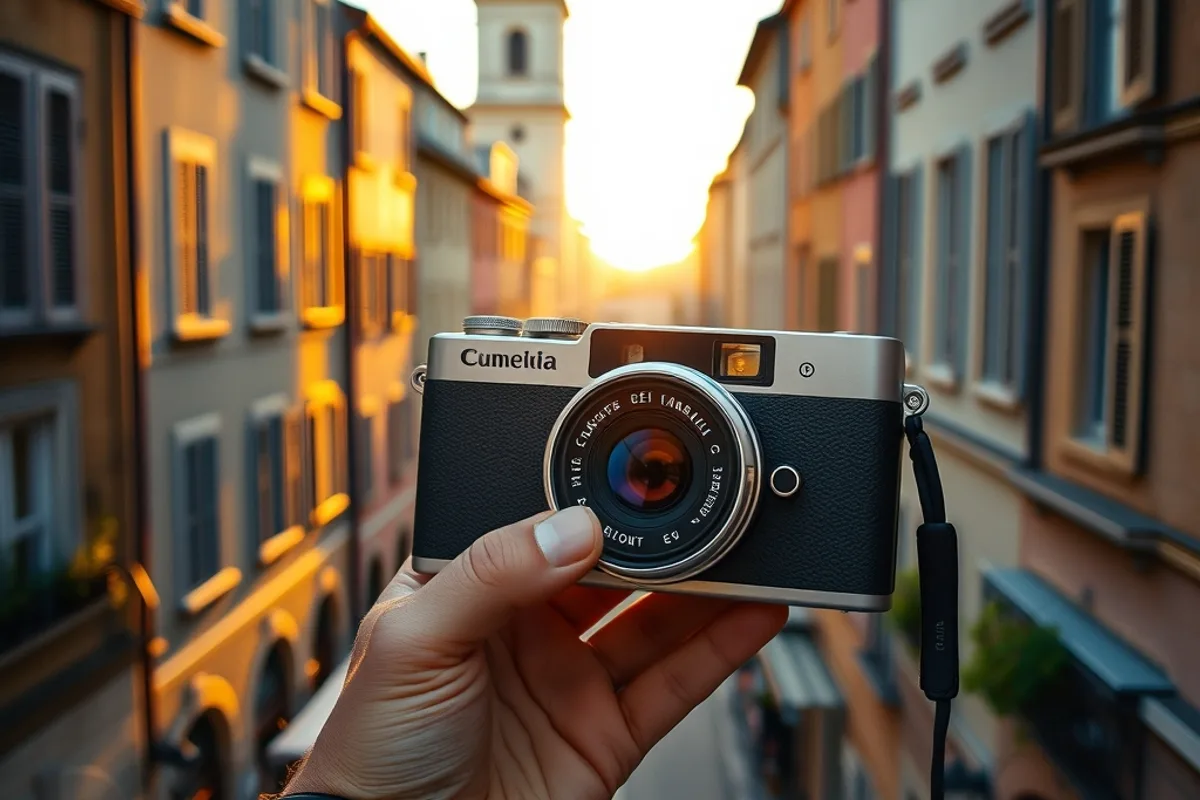
Best Travel Cameras 2026: We carried eight travel cameras through six cities and three hikes in spring 2026, shooting in bright sun, blue hour and the inside of a dim museum. The Lumen X100 at $899 won because it survived the whole trip in a jacket pocket, produced clean files at dusk and still had battery left at dinner.
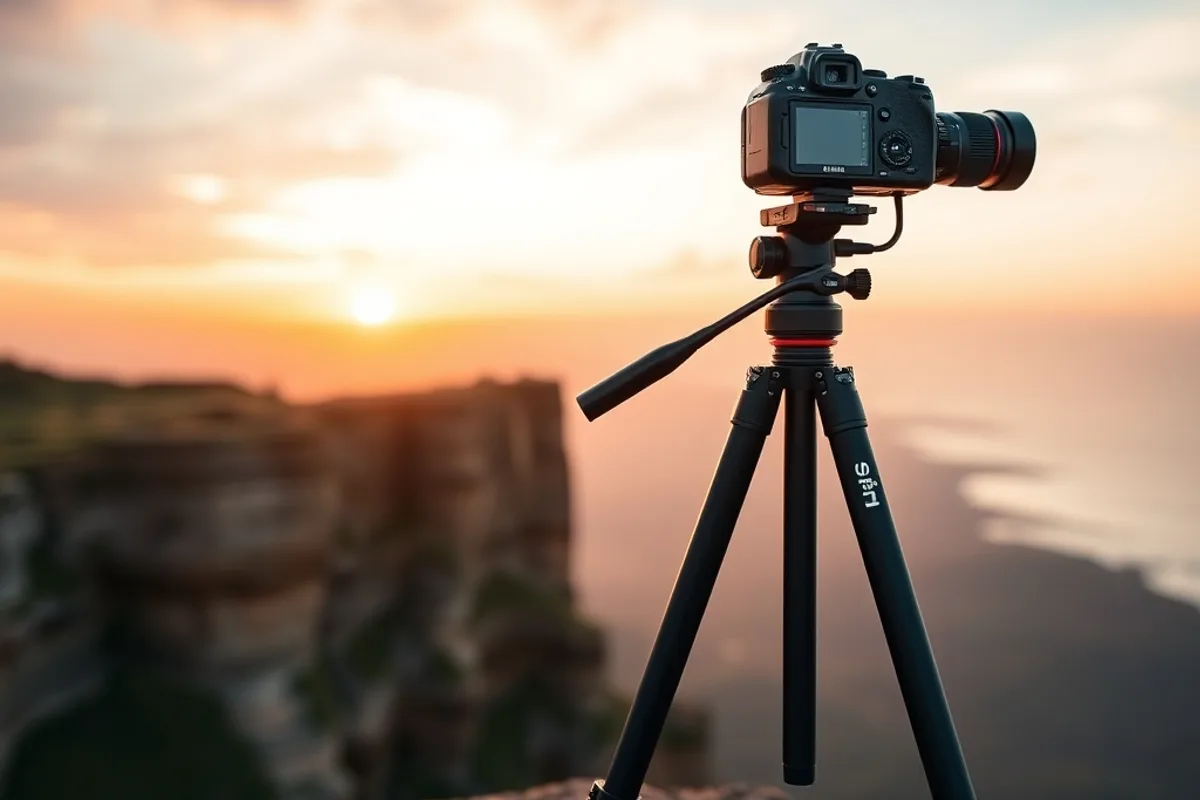
Best Travel Tripods 2026: A travel tripod has one job: be there when the light is good without ruining the walk. We tested seven on five trips, including a windy clifftop and a crowded museum, and weighed, timed and shook each one. The Featherlight T5 at $139 folded to 34cm, set up in 19 seconds and stayed steady in a gust that toppled a heavier rival.
Travel photography is a compromise between quality and the willingness to carry something. The best camera is not the sharpest one on a test bench, it is the one that leaves the hotel with you every morning. We weigh every kit against a day bag and a long walk, then judge the files at home.
Light decides more than the sensor. A small camera used at the right hour beats a large one at noon, and a pocket tripod turns a dim street into a clean exposure. We test gear in the conditions readers actually meet: backlit streets, warm interiors, rain and a moving crowd.
Backup is part of the kit. Cards fail, phones get lost and bags get wet, so we copy files each night and keep a second copy away from the camera. A cheap card reader and a small drive weigh little and have saved more trips than any lens. We test that routine alongside the hardware.
Common questions about travel photography
Do I need a tripod for travel photos? Only if you shoot at dawn, dusk, night or want to be in the picture. A light tripod earns its space on city breaks and landscapes. For daylight street photography, a fast camera and a steady hand are enough.
Is a compact camera better than a phone? For zoom, low light and control, yes. A good phone wins on convenience and sharing. We recommend a compact to travellers who want clean evening shots or a real optical zoom, and a phone to those who mostly shoot in daylight.
How many batteries should I carry? One spare for a long weekend, two for a week of heavy shooting. Cold weather drains batteries faster, so keep the spare in an inside pocket. A small power bank can top up most modern cameras over USB-C.