
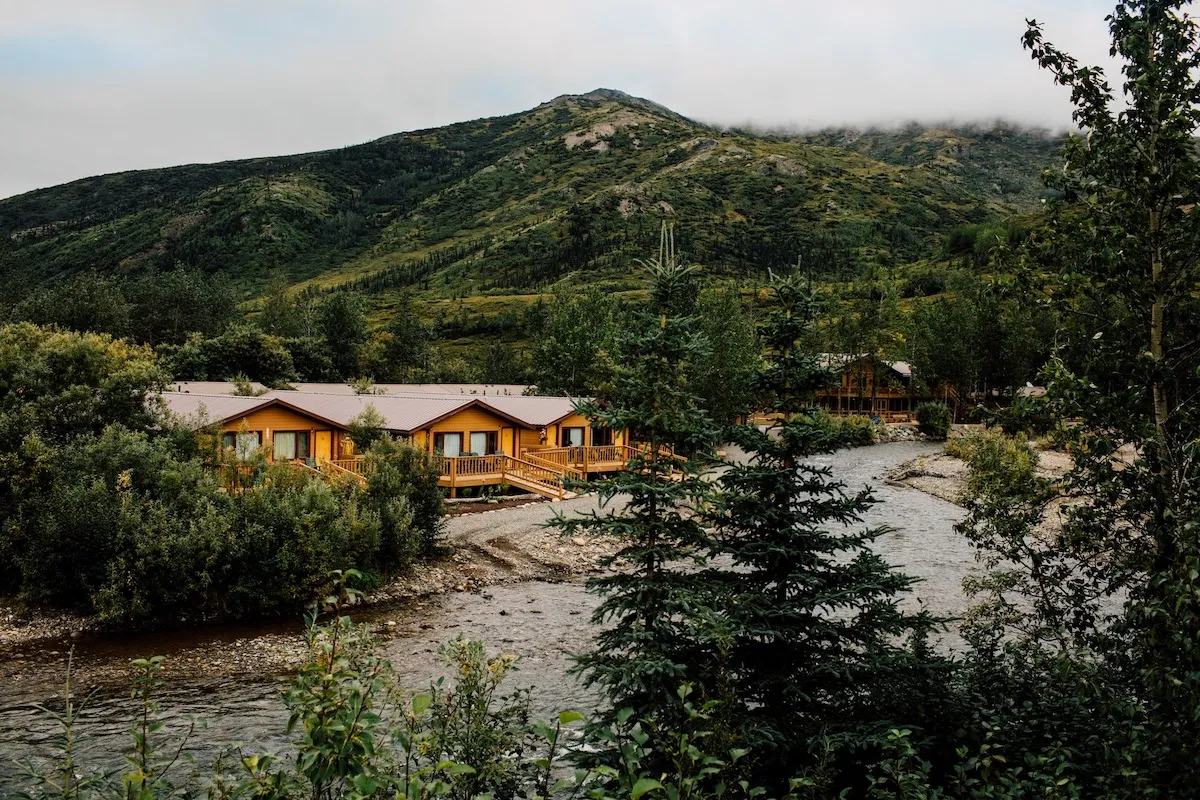
Embark on journeys that invite curiosity, and you will find a map of possibilities to discover lodge routes that combine scenery, solitude, and savory local culture. Some paths are serpentine and remote, others are pastoral and genteel. Each route becomes a narrative thread, leading from one lodge to another, revealing landscapes that feel curated for slow attention and sensory richness.
Coastal Corridors and Marine Passages
Coastal routes often follow the seam between land and sea, where lodges perch on cliffs or nestle in sheltered coves. Drive or cycle along winding roads that reveal successive coves, each with a different light. Stop at small harbors for fresh fish, oysters shucked on site, and conversations with local fishers. Take a morning paddle for a closer look at intertidal life. Coastal lodges provide direct access to tide pools, seabird colonies, and late-afternoon vistas that feel cinematic in scale.
Mountain Ridges and Alpine Arteries
Highland routes link a series of mountain lodges that climb through ecological tiers: oak groves, subalpine meadows, and rocky summits. These are routes for dawn ascents and slow descents. Hike an old sheep track to a ridge, and you will discover quiet plateaus where light lingers. Lodges here often act as both shelter and observatory, with fireplaces, binoculars, and maps. Winter brings powder and quiet, summer unveils wildflower drifts, and the experience changes richly with the season.
Riverways and Lakeside Loops
Watercourses carve accessible routes punctuated by lodges with private jetties and mirrored views. Follow a river valley and stop at estates that host rowboats, fly-fishing lessons, or mindful morning swims. Lakeside lodges emphasize reflection, literally and figuratively. Early mist on glassy water is an image that remains. These routes encourage a softer tempo, one where a day’s navigation might be measured in docks visited rather than miles covered.
Forest Tracks and Canopy Passages
Route selection through temperate or tropical woodlands offers immersion in biodiversity. Lodges connected by forest tracks invite canopy walks, nocturnal safaris, and quiet hours spent listening. Paths here can be narrow and sinuous, rewarding attentiveness with mossy clearings and ephemeral fungi. Many lodges collaborate with naturalists to interpret the terrain, making each trail feel like a guided revelation rather than a mere passage.
Desert Drives and Arid Circuits
Desert routes reveal a different scale of solitude and sculptural geology. Lodges sited near dunes or badlands use simple forms and cool courtyards to create respite. Travel at dawn or dusk to witness chromatic shifts across rock faces. Guided excursions teach readers of the sand; they reveal how small life adapts to scarcity. The quiet of desert nights, punctuated by a vast star field, often becomes the most enduring memory of these routes.
Island Hops and Atoll Loops
Boat transfers and inter-island ferries convert a string of islets into an itinerary of contrasts. Each lodge may specialize: one in snorkeling, another in birdwatching, another in fresh-caught cuisine. Island routes favor leisurely pacing and marine engagement, and they reward travelers who relish improvisation, such as accepting an invitation to a local fishing trip or a beachside barbecue.
Cultural Highways and Heritage Trails
Not all routes are purely scenic. Some thread through historic towns, artisan villages, and culinary regions. Lodges on these trails serve as cultural waystations. Join a ceramics workshop, attend a folk performance, or spend an afternoon in a market. These routes combine tangible exploration with handcrafted memories, and they often reveal a palimpsest of human endeavor layered over landscape.
Nocturnal Routes and Dark Sky Drives
Certain routes are best appreciated after sunset. Low-light regions offer access to lodges built for stargazing, where astronomy sessions replace evening television. Drive slowly along backroads to find pullouts for constellation observation, then return to a lodge with heaters and hot drinks. The interplay between day’s exploration and night’s celestial theater intensifies the sense of traveling through a fuller temporal spectrum.
Planning Practicalities and Logistics
Smart route planning diminishes friction. Check road conditions and seasonal passability. Reserve lodges in advance when routing through high-demand corridors, especially in shoulder seasons that offer the best balance of solitude and services. Pack layered clothing; microclimates shift rapidly between coast, valley, and ridge. Consider local transport options, such as ferries for island circuits or shuttle services for remote mountain tracks.
Sustainable and Ethical Considerations
Choose lodges that demonstrate stewardship, from water conservation to local hiring practices. Routes that align with regenerative tourism provide richer experiences and leave smaller footprints. Engage with community-led activities, and favor providers who reinvest in habitat restoration or cultural preservation.
Curating the Journey
The most rewarding lodge routes balance curiosity with repose. Alternate active days with languid ones. Let a serendipitous detour supplant a planned stop when local knowledge suggests a hidden vista or a seasonal event. Keep a simple journal, collect small tokens, and photographs, and allow the imagery to accrete into a private atlas of experience.
Routes that link lodges are more than conveyance; they are narrative devices. They stitch together place, people, and practice into a continuous experience of discovery. Choose a corridor that resonates with your appetite for solitude or sociality, adjust the tempo as needed, and allow the route itself to become part of the holiday’s memory architecture.
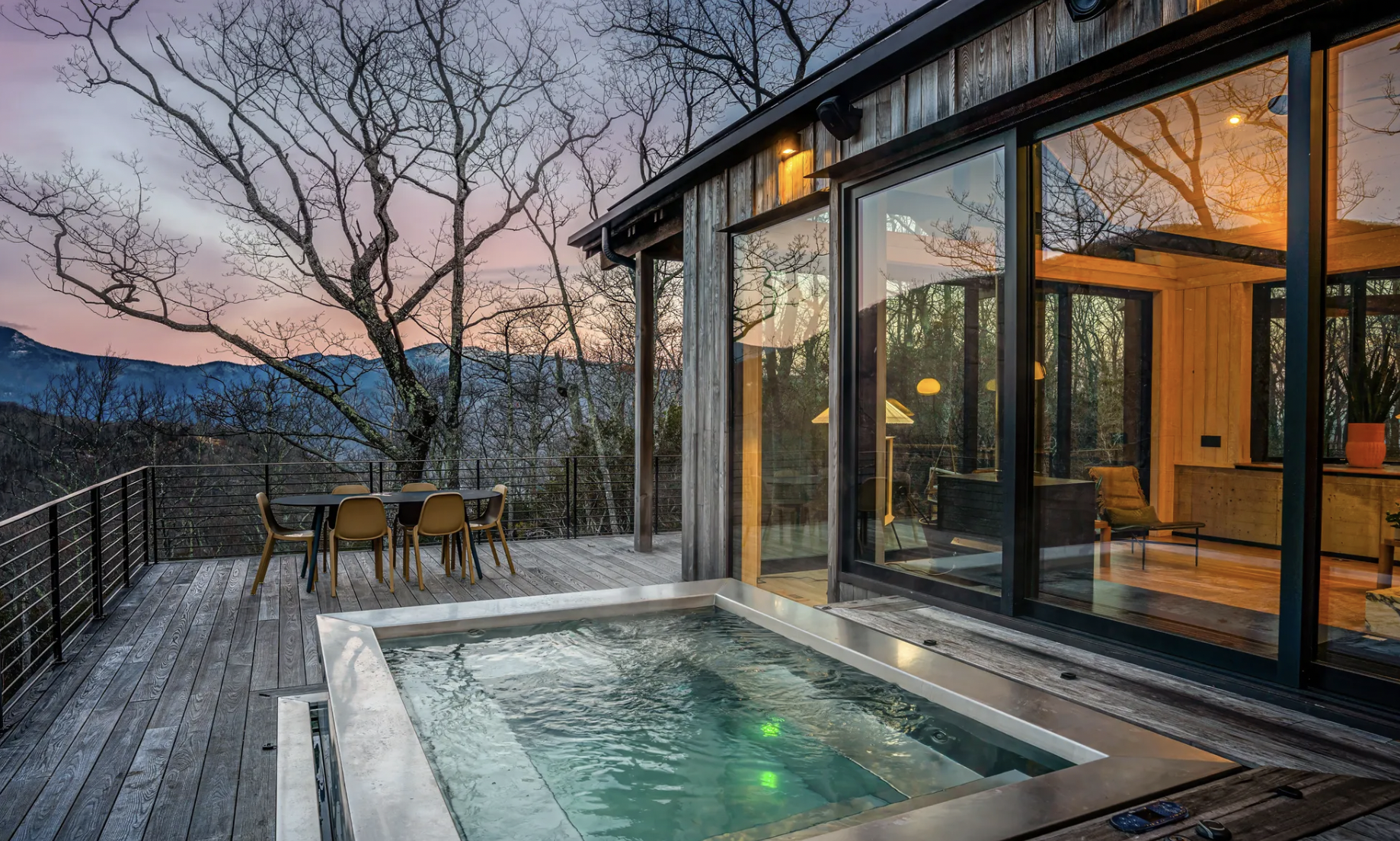

:max_bytes(150000):strip_icc()/TAL-royalton-negril-ALLINFAMRESORTS1224-878c0b4f9bac450e89a48bd82578436e.jpg "Vacation Lodge Destinations for Families")

More Stories
Vacation Lodge Adventures Off the Beaten Path
Vacation Lodge Destinations for Families
Vacation Lodge Secrets for Relaxation