
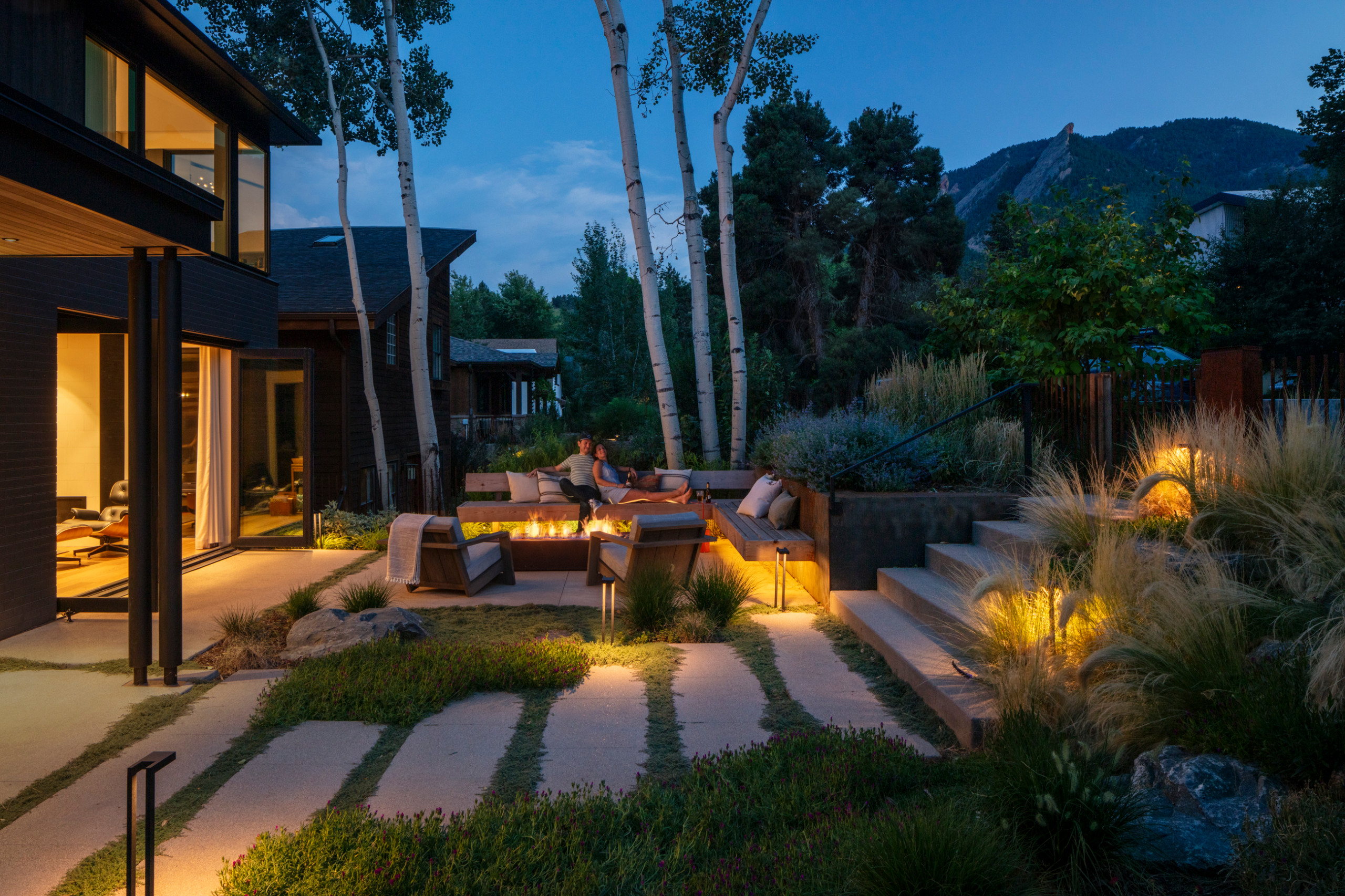
Finding places that kindle curiosity and soothe the spirit can transform a simple retreat into a resonant memory, and inspiring lodge spots combine setting, design, and local texture to produce that effect. Some lodges frame dramatic vistas, others preserve whispering ecosystems, and a few curate cultural encounters that linger in the imagination. Each location offers a distinctive palette for reflection, adventure, and creative replenishment.
Places Where Landscape Becomes Narrative
Certain lodges sit at the juncture of geology and story. Mountain refuges perched on folded strata provide panoramas that read like geographic prose. Sunlight scours ridgelines in the morning, revealing strata and crevices that prompt quiet contemplation. Coastal sanctuaries on rugged headlands present a different dramaturgy: waves sculpting rock over millennia, wind-born salt animating the senses. In these locales, nature operates as an author, and the lodge functions as a reading room.
Architectural Dialogue with Place
Architecture that converses with the environment enhances inspiration. Timber-framed structures that echo local vernacular feel congruent and humane. Glass-walled pavilions can dissolve the boundary between interior and panorama, while compact stone cabins offer a temenos of intimacy, a private place to recalibrate. Design that privileges material authenticity and passive climate strategies often yields spaces that feel both modern and rooted, a synthesis that encourages lingering and thought.
Lodges That Celebrate Night and Sky
Dark-sky properties alter perception. Far from urban luminescence, these lodges provide stellar vistas that estrange and delight simultaneously. Telescopic sessions, constellation storytelling, and silence that opens like a book are common features. Nighttime here becomes an expansive substrate for wonder, and many guests report a renewed sense of scale when confronted with a clear, unpolluted firmament.
Immersion in Flora and Fauna
Biodiverse settings invite slow curiosity. Lodges situated within temperate forests or rainforest edges host a litany of species and seasonal rhythms. Guided walks with naturalists reveal the palimpsest of life: lichens on bark, ephemeral fungi after rain, courtship calls at dawn. Observational practices such as birdwatching or nocturnal amphibian surveys become meditative rituals, each sensory detail amplifying presence.
Water as a Restorative Element
Lodges that nestle near lakes, rivers, or sheltered bays use water as a restorative agent. Early morning mists, mirrored surfaces, and the hush that accompanies still water create a contemplative atmosphere. Activities like kayaking at first light or shore-side reading sessions tie bodily rhythm to water’s cadence. The liminal quality of water — both reflective and moving makes it an apt companion for introspective stays.
Cultural Encounters that Resonate
Places where lodges integrate with local craftspeople, musicians, and foodways deliver cultural resonance. Hands-on workshops in pottery, weaving, or culinary arts transform guests from spectators into participants. Markets and village visits, when designed ethically, foster reciprocal exchange and reveal quotidian practices that often escape guidebooks. Cultural immersion in this form nourishes curiosity and fosters a sense of belonging.
Wellness Eldercraft and Slow Practices
Some lodges foreground somatic practices as pathways to renewal. Morning movement sessions, forest bathing, and guided breathwork recalibrate physiological tone. Thermal rituals such as saunas or hot-spring dips provide somatic punctuation, while quiet hours encourage reflection without obligation. These elements promote an inward arc that complements outward exploration.
Seasonal Particularities
Each season recasts a lodge’s personality. Spring unveils ephemeral blossoms and migratory fauna. Summer expands daylight and water-based play. Autumn paints slopes and valleys with chromatic intensity. Winter compresses time into quieter intervals of firelight and star-swept stillness. Choosing a season aligned with desired sensations ensures that the landscape itself becomes a collaborator in the experience.
Curated Itineraries and Serendipity
The balance between structure and spontaneity matters. Thoughtfully curated itineraries provide scaffolding: expert-guided hikes, culinary tastings, and conservation talks. Yet the most memorable impressions often appear during unprogrammed moments, a sudden detour to a hidden hollow, an unexpected exchange with a local elder, a sunrise that outperforms plans. Lodges that allow flexibility and encourage serendipity tend to produce the richest recollections.
Stewardship and Ethical Selection
Selecting lodges that prioritize ecological stewardship and community engagement deepens the quality of stay. Properties that invest in habitat restoration, support local suppliers, and employ nearby residents create a reciprocal economy of care. Travel that acknowledges impact and seeks to minimize harm enhances both ethical standing and experiential depth.
Practical Considerations for Choosing a Spot
Accessibility, seasonality, and desired activity mix should guide selection. Confirm trail difficulty, transportation constraints, and provisioning options. If solitude is a priority, seek properties where guest density is deliberately low. For those seeking connection, prioritize lodges with robust programming and communal spaces that invite conversation.
Wandering through locations chosen with care can alter perception and expand the repertoire of memory. Selecting a lodge where landscape, design, and local life cohere produces a stay that nourishes imagination, fosters calm, and offers new perspectives on what travel can be.
Vacation Lodge Spots That Inspire
Finding places that kindle curiosity and soothe the spirit can transform a simple retreat into a resonant memory, and inspiring lodge spots combine setting, design, and local texture to produce that effect. Some lodges frame dramatic vistas, others preserve whispering ecosystems, and a few curate cultural encounters that linger in the imagination. Each location offers a distinctive palette for reflection, adventure, and creative replenishment.
Places Where Landscape Becomes Narrative
Certain lodges sit at the juncture of geology and story. Mountain refuges perched on folded strata provide panoramas that read like geographic prose. Sunlight scours ridgelines in the morning, revealing strata and crevices that prompt quiet contemplation. Coastal sanctuaries on rugged headlands present a different dramaturgy: waves sculpting rock over millennia, wind-born salt animating the senses. In these locales, nature operates as an author, and the lodge functions as a reading room.
Architectural Dialogue with Place
Architecture that converses with the environment enhances inspiration. Timber-framed structures that echo local vernacular feel congruent and humane. Glass-walled pavilions can dissolve the boundary between interior and panorama, while compact stone cabins offer a temenos of intimacy, a private place to recalibrate. Design that privileges material authenticity and passive climate strategies often yields spaces that feel both modern and rooted, a synthesis that encourages lingering and thought.
Lodges That Celebrate Night and Sky
Dark-sky properties alter perception. Far from urban luminescence, these lodges provide stellar vistas that estrange and delight simultaneously. Telescopic sessions, constellation storytelling, and silence that opens like a book are common features. Nighttime here becomes an expansive substrate for wonder, and many guests report a renewed sense of scale when confronted with a clear, unpolluted firmament.
Immersion in Flora and Fauna
Biodiverse settings invite slow curiosity. Lodges situated within temperate forests or rainforest edges host a litany of species and seasonal rhythms. Guided walks with naturalists reveal the palimpsest of life: lichens on bark, ephemeral fungi after rain, courtship calls at dawn. Observational practices such as birdwatching or nocturnal amphibian surveys become meditative rituals, each sensory detail amplifying presence.
Water as a Restorative Element
Lodges that nestle near lakes, rivers, or sheltered bays use water as a restorative agent. Early morning mists, mirrored surfaces, and the hush that accompanies still water create a contemplative atmosphere. Activities like kayaking at first light or shore-side reading sessions tie bodily rhythm to water’s cadence. The liminal quality of water — both reflective and moving — makes it an apt companion for introspective stays.
Cultural Encounters that Resonate
Places where lodges integrate with local craftspeople, musicians, and foodways deliver cultural resonance. Hands-on workshops in pottery, weaving, or culinary arts transform guests from spectators into participants. Markets and village visits, when designed ethically, foster reciprocal exchange and reveal quotidian practices that often escape guidebooks. Cultural immersion in this form nourishes curiosity and fosters a sense of belonging.
Wellness Eldercraft and Slow Practices
Some lodges foreground somatic practices as pathways to renewal. Morning movement sessions, forest bathing, and guided breathwork recalibrate physiological tone. Thermal rituals such as saunas or hot-spring dips provide somatic punctuation, while quiet hours encourage reflection without obligation. These elements promote an inward arc that complements outward exploration.
Seasonal Particularities
Each season recasts a lodge’s personality. Spring unveils ephemeral blossoms and migratory fauna. Summer expands daylight and water-based play. Autumn paints slopes and valleys with chromatic intensity. Winter compresses time into quieter intervals of firelight and star-swept stillness. Choosing a season aligned with desired sensations ensures that the landscape itself becomes a collaborator in the experience.
Curated Itineraries and Serendipity
The balance between structure and spontaneity matters. Thoughtfully curated itineraries provide scaffolding: expert-guided hikes, culinary tastings, and conservation talks. Yet the most memorable impressions often appear during unprogrammed moments, a sudden detour to a hidden hollow, an unexpected exchange with a local elder, a sunrise that outperforms plans. Lodges that allow flexibility and encourage serendipity tend to produce the richest recollections.
Stewardship and Ethical Selection
Selecting lodges that prioritize ecological stewardship and community engagement deepens the quality of stay. Properties that invest in habitat restoration, support local suppliers, and employ nearby residents create a reciprocal economy of care. Travel that acknowledges impact and seeks to minimize harm enhances both ethical standing and experiential depth.
Practical Considerations for Choosing a Spot
Accessibility, seasonality, and desired activity mix should guide selection. Confirm trail difficulty, transportation constraints, and provisioning options. If solitude is a priority, seek properties where guest density is deliberately low. For those seeking connection, prioritize lodges with robust programming and communal spaces that invite conversation.
Wandering through locations chosen with care can alter perception and expand the repertoire of memory. Selecting a lodge where landscape, design, and local life cohere produces a stay that nourishes imagination, fosters calm, and offers new perspectives on what travel can be.

:max_bytes(150000):strip_icc()/TAL-royalton-negril-ALLINFAMRESORTS1224-878c0b4f9bac450e89a48bd82578436e.jpg "Vacation Lodge Destinations for Families")

:max_bytes(150000):strip_icc()/TAL-Backpacker-BUDGET0323-eeaf531276694f93966baa8fbcd2730d.jpg "Journey Stay Secrets for Budget Travelers")
More Stories
Vacation Lodge Adventures Off the Beaten Path
Vacation Lodge Destinations for Families
Vacation Lodge Secrets for Relaxation