
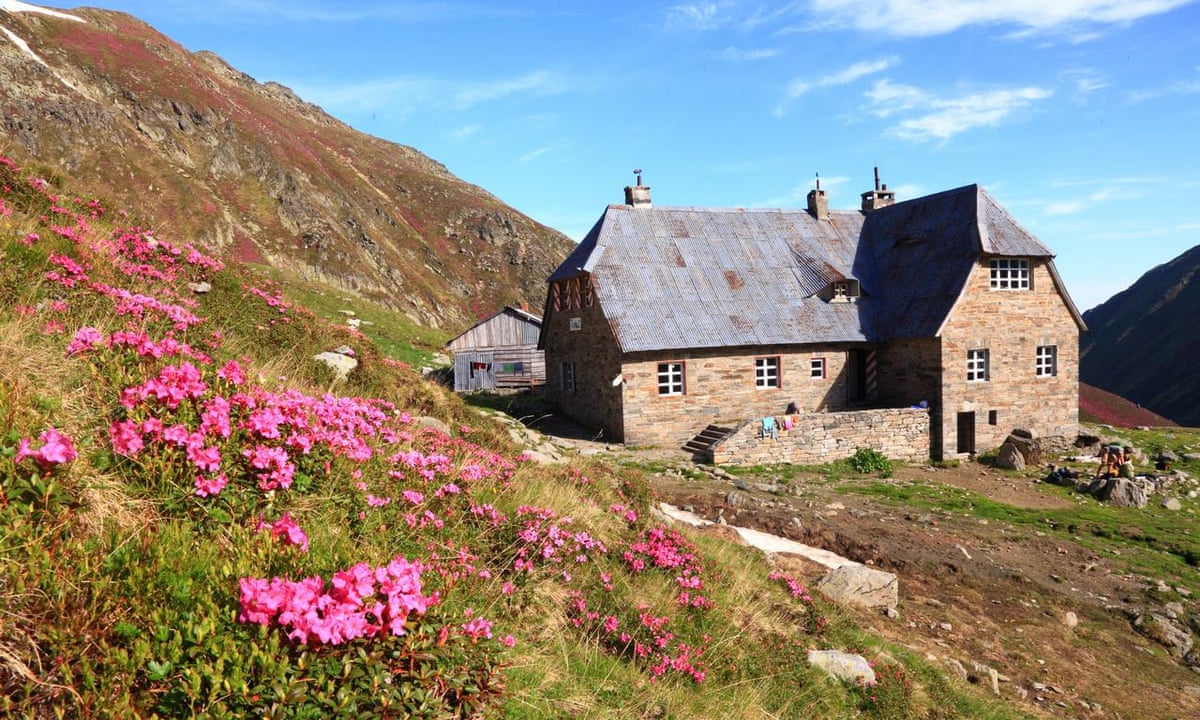
Exploring remote landscapes offers a profound sense of freedom and discovery. Offgrid wander adventures allow travelers to disconnect from the digital world, immerse themselves in nature, and embrace authentic experiences. These journeys challenge conventional travel routines, fostering mindfulness, resilience, and deep connection to the environment.
Choosing Your Off-Grid Destination
The first step in planning an off-grid retreat is selecting the right location. Consider rugged mountains, secluded beaches, dense forests, or hidden desert valleys. Each environment offers unique challenges and rewards. Accessibility, climate, and safety are key factors to weigh while choosing your destination. Selecting an area that resonates with your goals ensures a transformative experience.
Preparing for Remote Travel
Off-grid adventures require careful preparation. Unlike urban or tourist-centric retreats, these journeys demand self-sufficiency and foresight. Pack essential supplies such as portable water filtration, first aid kits, navigation tools, and energy-efficient cooking gear. Lightweight, multifunctional clothing and durable footwear are critical for navigating varied terrain. Preparing thoroughly allows travelers to focus on exploration rather than survival anxieties.
Accommodation Alternatives
Accommodation in off-grid retreats often departs from conventional hotels. Options include rustic cabins, eco-lodges, tented camps, or even hammocks suspended among trees. Choosing accommodations that blend with the natural environment enhances the immersive experience. The absence of modern amenities encourages mindfulness, promoting a deeper connection to the surroundings.
Crafting Your Daily Itinerary
While spontaneity is central to off-grid retreats, structured planning enhances safety and engagement. Plan a mix of activities such as hiking, wildlife observation, kayaking, or stargazing. Include periods of reflection, journaling, or meditation to integrate experiences. This balance between action and stillness ensures each day is enriching, adventurous, and restorative.
Navigating with Precision
Navigation in remote areas requires skill and attention. Topographic maps, compasses, GPS devices, or offline navigation apps are indispensable. Understanding the landscape, weather patterns, and potential hazards ensures safety while allowing freedom to explore. Skilled navigation also opens up paths less traveled, revealing hidden vistas and secluded spots inaccessible to typical tourists.
Embracing Minimalism
Off-grid travel encourages minimalism, emphasizing only essential items. Lightweight packs, multi-use tools, and compact sleeping arrangements reduce physical burden and mental clutter. By paring down possessions, travelers cultivate a sense of freedom and presence, focusing fully on the natural and cultural elements of the retreat.
Engaging with Nature
Nature is the centerpiece of off-grid wander retreats. Observing wildlife, studying plant life, or immersing in water-based activities heightens awareness of ecosystems. Quiet moments on mountaintops, riverbanks, or forest clearings offer profound reflection. Active engagement with nature nurtures curiosity, patience, and a lasting appreciation for environmental stewardship.
Prioritizing Safety
Safety is paramount in remote adventures. Inform someone of your itinerary, carry emergency communication devices, and understand local wildlife risks. Adequate hydration, nutrition, and awareness of weather conditions prevent avoidable hazards. Taking proactive safety measures ensures the journey remains exhilarating rather than perilous.
Cultivating Mindfulness
Off-grid retreats are ideal for practicing mindfulness. Disconnecting from digital distractions enhances focus on sensory experiences: the rustling of leaves, the murmur of rivers, the scent of wildflowers, and the warmth of sunlight. Mindful observation deepens emotional and cognitive engagement, creating memories that endure long after the retreat concludes.
Sustainable Practices
Preserving the natural integrity of remote environments is essential. Adopting Leave No Trace principles, minimizing waste, and respecting local ecosystems ensures that these areas remain pristine for future travelers. Responsible behavior fosters a sense of stewardship, aligning the adventure with ethical travel practices.
Solo and Social Dynamics
While off-grid journeys often emphasize solitude, connecting with fellow travelers or guides adds valuable perspective and safety. Sharing experiences, collaborating on tasks, or engaging in group reflection enhances understanding and enriches memories. Balancing solitude with meaningful social interaction maximizes both personal growth and camaraderie.
Reflection and Integration
Recording experiences through journals, sketches, or photography consolidates insights and fosters continued personal development. Reflecting on each day’s adventure promotes gratitude, awareness, and intentional living. Integrating lessons learned from the retreat into daily routines strengthens resilience, mindfulness, and creativity.
Embracing offgrid wander adventures allows travelers to escape the noise of modern life, explore uncharted territories, and reconnect with nature and themselves. By carefully selecting destinations, preparing adequately, engaging in mindful practices, and balancing solitude with connection, these journeys become transformative experiences. Every step taken in remote landscapes contributes to a sense of liberation, perspective, and lasting inspiration.


:max_bytes(150000):strip_icc()/TAL-royalton-negril-ALLINFAMRESORTS1224-878c0b4f9bac450e89a48bd82578436e.jpg "Vacation Lodge Destinations for Families")

More Stories
Wander Retreat Planning Made Simple
The Whispering Trails of Wander Retreat
Harmony Horizons: Serene Escapes to Recharge and Revive